
Introduction
Butterflies are among the most stunning and ecologically important insects found across the world. In India, these delicate creatures add immense charm to forests, gardens, grasslands, mountains, wetlands, and even home backyards. India is home to a spectacular butterfly diversity due to its wide range of climates—from the humid Western Ghats and the snowy Himalayas to the dry Thar Desert and the rich North-Eastern rainforests. Because of this incredible geographical variation, India hosts some of the most colourful, rare, and scientifically significant butterfly species on Earth.
Butterflies are not only beautiful; they are essential for maintaining the health of our ecosystem. They act as pollinators, bio-indicators, and play a crucial role in the food chain. Their presence indicates a clean and healthy environment. From tiny blue butterflies to giant swallowtails, from plain grass yellows to royal-looking tigers, India’s butterfly population is diverse and mesmerizing.
Over the past few decades, interest in butterflies has grown rapidly. With the rise of eco-tourism, wildlife photography, and biodiversity studies, butterflies have become symbols of environmental awareness and conservation. They are also critical subjects for scientists studying climate change, evolution, habitat loss, and adaptation.
This detailed guide explores all major butterfly families and types found across India, along with their characteristics, habitats, unique behaviors, life cycles, and the role they play in the ecosystem. The content is designed for students, researchers, nature lovers, photographers, and anyone interested in India’s natural treasures. Each section includes Rank Math–friendly headings, bullet points, and descriptions for better SEO and readability.
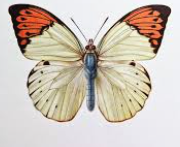
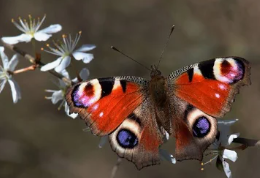
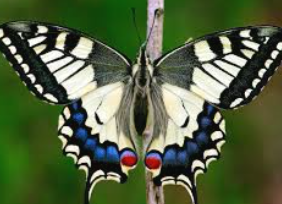
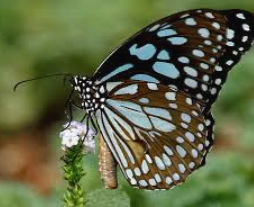
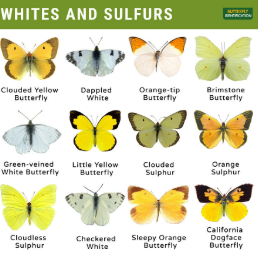
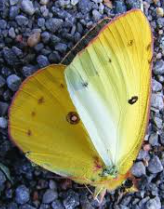
Understanding Butterfly Diversity in India
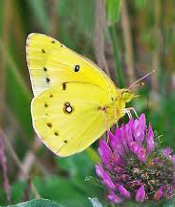
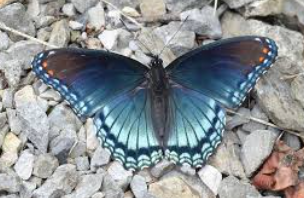
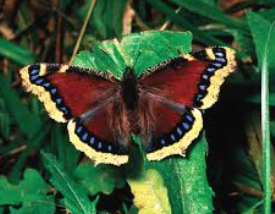
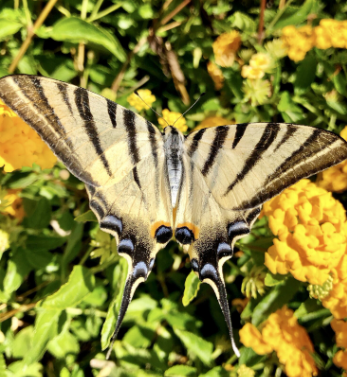
India is one of the world’s richest countries in terms of butterfly diversity. With over 1,300+ species, the country accounts for nearly 9% of the world’s total butterfly species. This makes India a global hotspot for butterfly research and conservation.
Why India Has So Many Butterfly Species?
Thanks to India’s highly varied geography, butterflies here experience different climates, altitudes, and ecosystems. Some of the major contributors to this diversity include:
-
Diverse Ecosystems
India includes:
- Dense tropical rainforests
- Alpine meadows
- Evergreen forests
- Dry grasslands
- Mangroves
- Desert ecosystems
- Hill ranges and valleys
- Backyards and urban gardens
Each ecosystem supports a different set of butterfly species.
-
Unique Climatic Zones
India’s climates range from:
- Hot and humid (Kerala, Assam)
- Cold and snowy (Himalayas)
- Dry and desert-like (Rajasthan)
- Tropical and monsoon-influenced (Western Ghats)
This climatic variety allows both cold-loving and tropical butterflies to thrive.
The Himalayan Biodiversity Hotspot
The Himalayas alone host hundreds of species, many of which are found nowhere else on the planet. These include:
- High-altitude swallowtails
- Snow butterflies
- Blue and copper butterflies
- Rare tigers and crows
-
The Western Ghats Rainforest Belt
Another global biodiversity hotspot, home to thousands of insects and over 300 butterfly species including:
- Southern Birdwing
- Grass Yellows
- Jezebels
- Sailers
-
The North-Eastern Region
Assam, Meghalaya, Manipur, Nagaland, and Arunachal Pradesh form the richest butterfly zone in India, hosting:
- Kaiser-i-Hind
- Bhutan Glory
- Tailed Jays
- Map Butterflies
These areas receive very high rainfall and support dense vegetation.
Major Butterfly Families Found in India
Indian butterflies are classified into six major families, each containing several species. Understanding these families makes identification easier.
-
Papilionidae — The Swallowtails
These are large, brightly coloured butterflies with distinctive tails.
Examples include:
- Common Mormon
- Common Rose
- Common Jay
- Lime Butterfly
-
Pieridae — The Whites and Yellows
Mostly white or yellow in colour, often found near fields and gardens.
Examples:
- Common Emigrant
- Common Jezebel
- Cabbage White
-
Nymphalidae — The Brush-footed Butterflies
The largest family found in India.
Examples:
- Monarch
- Tiger butterflies
- Danaids
- Sailers
- Pansies
-
Lycaenidae — The Blues, Coppers & Hairstreaks
Smallest butterflies with vibrant colours.
Examples:
- Pea Blue
- Common Pierrot
- Purple Sapphire
-
Riodinidae — The Metalmarks
Rare group, often metallic in appearance.
Examples:
- Punchinello
- Common Tit
-
Hesperiidae — The Skippers
Small, fast-flying butterflies.
Examples:
- Rice Swift
- Contiguous Swift
Each family will be covered in deep detail in upcoming parts.
Importance of Butterflies in India
Butterflies are more than just pretty insects. They play several key ecological roles:
A. Pollination
They help in pollinating:
- Flowering plants
- Fruit trees
- Wild herbs
- Forest vegetation
B. Natural Indicators of Environmental Health
A decrease in butterfly population signals:
- Climatic imbalance
- Pollution
- Habitat destruction
C. Food Source for Birds and Insects
They form an essential link in the food chain.
D. Dutifying the Landscape
From parks to forests, butterflies enhance natural beauty.
The Life Cycle of Butterflies in India
Butterflies undergo a fascinating transformation known as complete metamorphosis, consisting of four distinct stages. Understanding their life cycle helps researchers, nature enthusiasts, and conservationists protect them more effectively.
1. Egg Stage
The life cycle begins when a female butterfly lays eggs on the leaves of a specific host plant.
These eggs are:
- Tiny and round, oval, or conical in shape
- Often laid singly or in clusters
- Attached securely to leaves, stems, or flower buds
Different butterfly species choose different host plants. For example:
- Common Mormon lays eggs on citrus plants
- Common Emigrant prefers cassia and senna species
- Blue butterflies choose legumes
The selection of the host plant is extremely precise because the caterpillar’s survival depends on eating the correct food immediately after hatching.
2. Larva (Caterpillar) Stage
The larva emerges from the egg and begins feeding heavily. The caterpillar stage is the most crucial feeding and growth stage in a butterfly’s life.
Key Characteristics of Caterpillars:
- Soft-bodied
- Often brightly colored or camouflaged
- Equipped with chewing mouthparts
- Rapidly growing, sometimes increasing body mass 100 times
Behavior of Caterpillars:
- Eat continuously
- Shed their skin 4–5 times (called instars)
- Use chemical and visual defenses to avoid predators
Examples from Indian Species:
- Common Rose caterpillar is red with spines for protection
- Common Nawab caterpillar mimics a snake head to scare predators
- Plain Tiger caterpillar absorbs toxins from milkweed plants
Caterpillars often stay on the underside of leaves to avoid birds and wasps.
3. Pupa (Chrysalis) Stage
In this stage, the caterpillar forms a hard shell called a chrysalis. Inside, its body undergoes a complete transformation.
Key Features:
- Can be green, brown, gold, or metallic
- Often camouflaged to resemble leaves or twigs
- Completely still, yet full of biological activity
In Indian forests, pupae may also:
- Hang from branches
- Hide under leaves
- Attach to tree bark
- Bury lightly in soil (rare exceptions)
Examples:
- Lime Butterfly chrysalis is green and blends with citrus leaves
- Tailed Jay chrysalis is brownish and hangs on thin twigs
4. Adult Butterfly Stage
The adult emerges from the chrysalis by pumping fluids into its wings, drying them, and then flying off.
Adult Characteristics:
- Pair of antennae
- Six legs (some appear four-legged like Nymphalidae)
- Long proboscis for sipping nectar
- Compound eyes
- Colorful wings made of tiny scales
Adults live from a few weeks to several months depending on species.
Purpose of Adult Stage:
- Feeding
- Mating
- Dispersal
- Pollination
Physical Characteristics of Indian Butterflies
India’s butterfly species exhibit stunning variations in shape, color, wing patterns, and size. These adaptations help them survive predators, weather changes, and habitat disturbances.
1. Wing Colors and Patterns
Indian butterflies are known for:
- Deep blues
- Sulphur yellows
- Bright oranges
- Velvet blacks
- Metallic greens
- Pure whites
- Crimson reds
Why So Many Colors?
- Camouflage: Leaf butterflies resemble dead leaves
- Warning coloration: Tigers and crows show toxicity
- Mate attraction: Many swallowtails have tails to attract mates
- Heat absorption: Dark-winged butterflies warm up faster
2. Wing Shapes
Different species have unique wing shapes:
- Tailed wings (Papilionidae)
- Rounded wings (Nymphalidae)
- Triangular wings (Pieridae)
- Elongated wings (Hesperiidae)
Examples:
- Common Jay has narrow, pointed wings for fast flight
- Common Map has angular wings resembling a leaf
- Blue Mormon has rounded wings for gliding
3. Body Features
Antennae
- Straight in butterflies
- Used for smell and balance
Eyes
- Large compound eyes for wide-angle vision
Proboscis
- A long coiled tube used for sipping nectar
- Also used for drinking fruit juice or tree sap
Legs
- Some appear four-legged (brush-footed butterflies)
- Others are full six-legged
Behaviors of Butterflies in India
Butterflies display unique behaviors influenced by the climate, season, and habitat. Understanding these helps in identification and conservation.
1. Mud-Puddling Behavior
Many butterflies gather on wet soil or near riverbeds to drink mineral-rich water.
Seen especially in:
- Swallowtails
- Blues
- Emigrants
2. Sun-Basking
Butterflies warm their wings by sitting in sunlight, especially in morning hours.
3. Territorial Behavior
Some species defend specific areas and chase intruders, like:
- Pansies
- Tigers
- Blues
4. Migration
A few Indian species migrate seasonally, such as:
- Plain Tiger
- Common Emigrant
- Lemon Pansy
5. Camouflage and Defense
Butterflies use:
- Eyespots to confuse predators
- Leaf-like patterns
- Toxic chemicals from host plants
Geographical Distribution of Butterflies in India
India’s butterfly species vary widely across different regions.
1. Western Ghats
A major biodiversity hotspot with evergreen forests.
Famous species:
- Southern Birdwing
- Common Pierrot
- Malabar Tree Nymph
2. Eastern Himalayas
The richest butterfly region in India.
Species include:
- Kaiser-i-Hind
- Bhutan Glory
- Blue Duke
3. Western Himalayas
High-altitude butterflies such as:
- Apollo
- Painted Lady
- Himalayan Nawab
4. North-East India
Dense rainforests support:
- Tailed Jays
- Punchinellos
- Red Helen
5. Gangetic Plains
Home gardens and fields host:
- Common Mormon
- Grass Yellows
- Tiger butterflies
6. Desert and Dry Regions
Adapted species include:
- Desert Orange Tip
- White Orange Tip
Family 1 – Papilionidae (Swallowtail Butterflies)
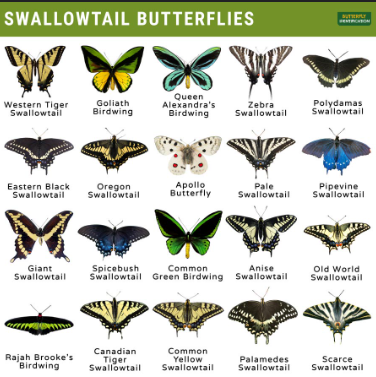
Swallowtail butterflies are among the most majestic, colourful, and easily recognizable butterflies in India. They belong to the family Papilionidae, which includes large-sized butterflies with unique tails at the end of their hindwings—resembling the tail of a swallow bird, hence the name “swallowtails.”
India hosts 80+ species of swallowtails, many of which are rare, endemic, or considered globally important due to their ecological and evolutionary value.
General Characteristics of Swallowtails
Before exploring each species, here are some defining traits:
-
Large size
Wingspan ranges between 70–150 mm.
-
Long tails on the hindwings
Although not all species have tails, most do.
-
Bright and bold colours
Swallowtails show striking patterns in:
- Yellow
- Black
- Green
- Red
- Blue
-
Swift and powerful flight
They are strong fliers often seen hovering over flowers.
-
Adapted larvae
Many caterpillars possess an osmeterium, a forked gland that emits a strong smell to deter predators.
-
Preferred habitat
Found in:
- Forests
- Foot-hill regions
- Gardens
- Citrus orchards
- Mountain slopes
Swallowtails of India — Detailed Species List
Below are the major swallowtail species found across India, along with their characteristics, habitats, behaviour, and identification features.
-
Common Mormon (Papilio polytes)
One of India’s most widespread and common swallowtail species.
Identification:
- Males are black with white spots.
- Females mimic toxic butterflies (Common Rose & Crimson Rose).
Distribution:
- All over India
- Gardens, farmlands, orchards
Host Plants:
- Lemon
- Orange
- Curry leaf (Murraya koenigii)
Special Feature:
Female polymorphism — different female forms imitate poisonous butterflies for survival.
-
Common Mormon (Female Mimic Forms)
India has three mimic forms:
- Form cyrus:
Looks like the male.
- Form stichius:
Mimics the Common Rose — red markings & broader hindwings.
- Form romulus:
Mimics the Crimson Rose — red body & crimson wing patches.
Importance:
A classic example of Batesian mimicry, a globally famous evolutionary adaptation.
-
Lime Butterfly (Papilio demoleus)
Also known as the Lemon Butterfly.
Features:
- Black and creamy-yellow patterns
- No tail at hindwings (a unique swallowtail characteristic)
Distribution:
- From plains to mountain regions
Host Plants:
- All citrus plants
Special Notes:
- Fast breeders
- Common in home gardens
-
Blue Mormon (Papilio polymnestor)
India’s largest swallowtail butterfly, mainly found in the Western Ghats.
Identification:
- Velvet black wings
- Metallic blue hindwing patches
Habitat:
- Western Ghats rainforests
- Shady gardens
Host Plants:
- Citrus
- Zanthoxylum species
Status:
- State Butterfly of Maharashtra
-
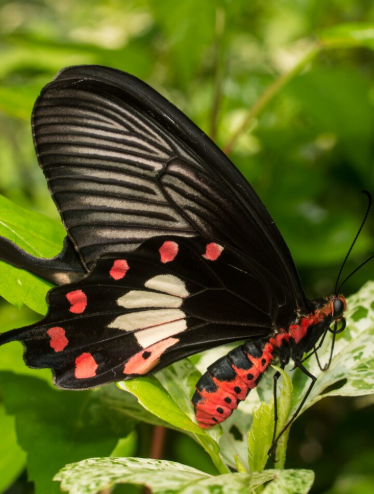
Common Rose (Pachliopta aristolochiae)
A slow-flying but stunning red-and-black butterfly.
Identification:
- Black wings with red spots
- Bright red body
- Tails present
Special Behaviour:
Feeds on poisonous Aristolochia plants, making it toxic to predators.
-
Crimson Rose (Pachliopta hector)
Considered one of India’s most beautiful butterflies.
Appearance:
- Bright red body
- White patches
- Red wing spots
Habitat:
- Coastal regions
- Western Ghats
- Eastern India
Notes:
A migratory species, often seen in large groups.
-
Tailed Jay (Graphium agamemnon)
Fastest swallowtail in India.
Identification:
- Green spots on black wings
- Pointed forewings
Habitat:
- Forests
- Urban gardens
- Eastern Himalayas
Host Plants:
- Custard apple (Annona)
- Cinnamon
-
Common Jay (Graphium doson)
Very similar to the Tailed Jay but with blue spots.
Features:
- Bluish-green markings
- Tail-like projections
Distribution:
- India’s eastern and southern regions
Behaviour:
Constant flier, rarely sits still.
-
Blue Jay (Graphium evemon)
Common in North-Eastern India.
Identification:
- Light blue bands
- Narrow, pointed wings
-
Five-bar Swordtail (Graphium antiphates)
Named for its five distinct bars.
Appearance:
- Long tail
- White and black stripes
Habitat:
- Western Ghats
- Eastern Himalayas
-
Common Banded Peacock (Papilio crino)
One of the most visually striking Indian butterflies.
Identification:
- Emerald-green and blue metallic sheen
- Velvety black wings
Distribution:
- Peninsular India
Behaviour:
Active and fast flying.
-
Common Bluebottle (Graphium sarpedon)
A highly attractive blue-marked butterfly.
Features:
- Bright blue-green central band
- Rapid flight
Host Plants:
- Cinnamon
- Laurel trees
-
Common Raven (Papilio osmana)
Mostly seen in the south.
Description:
- Black with light greenish spots
-
Common Windmill (Byasa polyeuctes)
Large, slow-flying, and very elegant.
Appearance:
- Black wings
- White hindwing patches
- Long tails
Habitat:
- Himalayan forests
-
Great Mormon (Papilio memnon)
One of India’s most diverse swallowtails.
Features:
- Large size
- Many female forms
Distribution:
- Eastern and Western Ghats
- Central India
-
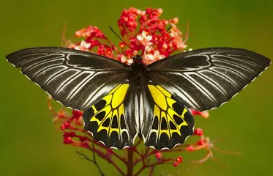
Southern Birdwing (Troides minos)
India’s largest butterfly by wingspan.
Appearance:
- Bright yellow hindwings
- Black borders
- Heavy body
Distribution:
- Western Ghats
Status:
- State Butterfly of Karnataka
-
Common Birdwing (Troides helena / Troides aeacus)
Also similar to Southern Birdwing but found in North-East India.
Features:
- Yellow hindwings
- Black forewings
-
Malabar Banded Peacock (Papilio buddha)
Endemic to Western Ghats.
Identification:
- Green metallic scales
- Blue shimmering bands
-
Black-veined Serenity (Papilio nephelus)
Found in heavy rainforests.
Features:
- Black wings
- Broad creamy markings
-
Red Helen (Papilio helenus)
A common yet visually striking species.
Appearance:
- Black wings
- Red basal patches
- Wavy white patch
✔ Summary of Papilionidae
Swallowtails are:
- Large
- Colourful
- Fast-flying
- Highly diverse in India
They are indicators of healthy ecosystems and contribute greatly to biodiversity.
Family 2 – Pieridae (The Whites, Yellows, and Sulphur Butterflies)
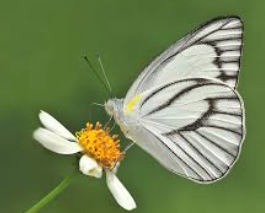
The family Pieridae includes some of the most common butterflies seen across India. These butterflies are easily recognizable due to their white, yellow, orange, or sulphur-colored wings, often with black borders or patterns.
They are widespread in:
- Plains
- Forest edges
- Grasslands
- Agricultural fields
- Home gardens
Pieridae species are particularly important because many of them act as key pollinators and are found year-round in most parts of India.
General Characteristics of Pieridae
Before listing the species, here are the defining traits:
-
Medium-sized butterflies
Wingspan ranges from 45 mm to 80 mm.
-
Mostly white or yellow wings
Often mixed with orange or black markings.
-
Highly active in sunlight
They prefer bright and warm conditions.
-
Mud-puddling behaviour
Large groups gather on moist soil to absorb salts.
-
Fast and darting flight
They move quickly and erratically.
-
Host plants
They feed on plants from families like:
- Capparaceae
- Fabaceae
- Brassicaceae
- Euphorbiaceae
Pieridae Species Found in India — Detailed List
Below are the major white, yellow, orange-tip, and sulphur butterflies found in India, with complete descriptions and identification tips.
-
Common Emigrant (Catopsilia pomona)
One of the most frequently seen white-yellow butterflies in India.
Identification:
- Pale white or yellow
- Rounded wings
- Females may have black-tipped forewings
Behaviour:
- Highly migratory
- Seen mud-puddling in groups
Host Plants:
- Cassia
- Senna
-
Mottled Emigrant (Catopsilia pyranthe)
Close relative of the Common Emigrant.
Appearance:
- Pale greenish-yellow
- Faint mottled patterns
Habitat:
- Farmlands
- Riverbanks
- Urban parks
-
Common Grass Yellow (Eurema hecabe)
One of India’s smallest and most active butterflies.
Identification:
- Bright yellow
- Black outer borders
- Females slightly larger
Behaviour:
- Extremely common in monsoon months
- Seen in large groups near streams
-
Three-spot Grass Yellow (Eurema blanda)
A distinct yellow species with three clear black spots.
Features:
- Brighter than Common Grass Yellow
- Narrow black borders
-
Spotless Grass Yellow (Eurema laeta)
Unique due to its clean, spotless underside.
Distribution:
- Western Ghats
- Central India
- Himalayan foothills
-
Common Jezebel (Delias eucharis)
One of the most colorful members of the Pieridae family.
Identification:
- White forewings
- Yellow hindwings
- Red and black mosaic patterns on the underside
Special Feature:
- Bright colours advertise its toxic nature
Habitat:
- Gardens
- Flowering trees
- Forest edges
-
Red-spot Jezebel (Delias descombesi)
A rare species mainly found in the northeast.
Appearance:
- Red spots on white forewings
- Orange and yellow underside
-
Common Gull (Cepora nerissa)
Often mistaken for a white butterfly.
Features:
- Pale white wings
- Prominent black veins
- Black wing tips
Distribution:
- Southern India
- Western Ghats
-
Pioneer White (Belenois aurota)
Also known as the Pioneer Caper White.
Identification:
- White wings with checkered black borders
- Females have more prominent markings
Behaviour:
- Migratory species
- Seen in large swarms
-
Cabbage White / Small White (Pieris rapae)
A common agricultural species.
Features:
- Pure white wings
- Black tips
- One or two black spots
Host Plants:
- Cabbage
- Cauliflower
- Mustard
-
Large Cabbage White (Pieris brassicae)
Bigger and bolder than the Small White.
Appearance:
- Creamy-white colour
- Wide black borders
Region:
- Northern India
- Himalayan hills
-
Indian Orange Tip (Colotis danae)
One of the most attractive orange-tip butterflies.
Identification:
- Bright orange forewing tips
- White hindwings
- Black patterns around the orange patch
Habitat:
- Dry grasslands
- Scrub forests
- Semi-arid regions
-
Crimson Tip (Colotis danae etrida)
A subspecies with vivid crimson patches.
Distribution:
- North-West India
- Rajasthan
- Gujarat
-
Lemon Emigrant (Catopsilia scylla)
Looks similar to Common Emigrant but with bolder yellow shades.
Behaviour:
- Fast migratory movement
- Restless in flight
-
Indian Cupid / White Orange Tip (Ixias marianne)
One of India’s brightest butterflies.
Features:
- White wings
- Orange patches
- Black borders
Females:
- Lighter shades, less orange
-
Yellow Orange Tip (Ixias pyrene)
Very common in dry plains.
Identification:
- Yellow wings
- Orange tip on forewings
- Black borders
-
Common Albatross (Appias albina)
Slender-bodied and fast flying.
Features:
- Pure white with black tips
- Slight yellow underwash
-
Striped Albatross (Appias libythea)
Recognizable due to striped veins.
Habitat:
- Southern India
- Western Ghats
-
Chocolate Albatross (Appias lyncida)
A unique species with chocolate-brown patterns.
Appearance:
- Bright yellow underside
- Male is bluish-white above
Distribution:
- North-East
- Himalayan foothills
-
White Orange Tip (Colotis vestalis)
Found mostly in dry regions.
Features:
- Orange-tipped forewings
- White hindwings
- Black borders
✔ Summary of Pieridae
Pieridae butterflies are:
- Bright and colourful
- Very common in India
- Important pollinators
- Active in sunlight
- Present in all seasons
They are easy to identify and vital to ecosystems and agriculture.
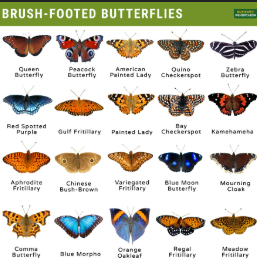
Family 3 - Nymphalidae (Brush-Footed Butterflies)
The Nymphalidae family is the largest and most diverse butterfly family in India. These butterflies are easily recognizable because they appear to have only four legs—their front pair of legs is tiny, hair-like, and brush-shaped, giving them the name “brush-footed butterflies.”
India hosts 400+ species from this family, ranging from colourful pansies to elegant tigers, majestic danaids, forest tree nymphs, fast-flying sailers, and rare Himalayan species.
This is the most important and species-rich section of your butterfly article.
General Characteristics of Nymphalidae
-
Four-legged appearance
The front pair of legs is reduced and hidden.
-
Medium to large size
Wingspan ranges 40–150 mm.
-
Strong fliers
Many species migrate or glide effortlessly.
-
Diverse wing colours and patterns
Includes:
- Browns
- Oranges
- Blues
- Purples
- Yellows
- Highly patterned wings
-
Habitats
Found in every part of India:
- Forests
- Grasslands
- Hills and mountains
- Villages
- Backyards
- Mangroves
Nymphalidae Family—Detailed Species List
To make this section clear, species are divided into important subgroups:
A. Tiger & Crow Butterflies (Danainae)
These butterflies are well-known for their slow, graceful flight and toxic nature gained from host plants like milkweed.
-
Plain Tiger (Danaus chrysippus)
One of India’s most iconic butterflies.
Identification:
- Orange wings
- Black borders
- White spots
- Slow gliding flight
Host Plants:
- Milkweed (Calotropis)
Special Feature:
A well-known migratory species.
-
Striped Tiger (Danaus genutia)
Also known as the Common Tiger.
Features:
- Orange wings with black stripes
- White spots on the tips
Distribution:
- All over India
-
Monarch Butterfly (Danaus plexippus)
A globally famous butterfly.
Identification:
- Larger than Plain Tiger
- Deeper orange shades
- Veins more prominent
-
Common Crow (Euploea core)
Very common in gardens.
Appearance:
- Chocolate-brown wings
- White spots along edges
Behaviour:
- Slow and elegant flight
- Often seen feeding on rotting fruits
-
Double-branded Crow (Euploea sylvester)
Features:
- Darker than Common Crow
- Dual white streaks on body
-
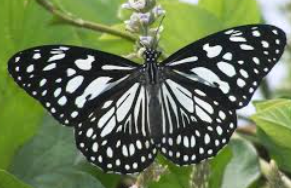
Blue Tiger (Tirumala limniace)
A migratory species often seen in thousands.
Identification:
- Black wings with blue streaks
Famous For:
Annual mass migration in South India.
-
Dark Blue Tiger (Tirumala septentrionis)
Very similar to Blue Tiger but darker.
-
Glassy Tiger (Parantica aglea)
Features:
- Transparent wing patches
- Light blue and black web-like pattern
B. Sailers and Sergeants (Limenitinae)
Known for their sailing, gliding, and zig-zag flight pattern.
1. Common Sailer (Neptis hylas)
Appearance:
- Black wings
- White horizontal stripes
Behaviour:
- Straight-line gliding flight
2. Common Sergeant (Athyma perius)
Features:
- Black ground colour
- White-bold stripes forming a checkered design
3. Commander (Moduza procris)
Identification:
- Deep orange wings
- Black markings
- White central band
4. Black-veined Sergeant (Athyma ranga)
Features:
- Dark brown wings
- Clearly marked veins
C. Pansies, Buckeyes & Commodores (Nymphalinae)
Colourful butterflies found in open areas.
1. Lemon Pansy (Junonia lemonias)
Identification:
- Brown wings
- Eye-like blue spots
Behaviour:
- Extremely territorial
2. Peacock Pansy (Junonia almana)
Features:
- Bright orange
- Large eye spots
3. Chocolate Pansy (Junonia iphita)
Appearance:
- Dark chocolate brown
- Wavy patterns
4. Blue Pansy (Junonia orithya)
Identification:
- Blue hindwings
- Red and yellow patches
5. Grey Pansy (Junonia atlites)
Features:
- Pale grey wings
- Multiple eyespots
6. Painted Lady (Vanessa cardui)
A migratory butterfly found worldwide.
Appearance:
- Orange, black, and white patterns
7. Indian Red Admiral (Vanessa indica)
Features:
- Black wings
- Bold red bands
8. Common Buckeye (Junonia coenia) — occasionally reported
Features:
- Brown wings
- Bright eyespots
D. Tree Nymphs & Forester Butterflies
1. Malabar Tree Nymph (Idea malabarica)
Identification:
- Large size
- White and black mosaic wings
- Slow, floating flight
Region:
- Western Ghats
2. Indian Tree Nymph (Idea leuconoe)
Mostly in the northeast.
3. Common Forester (Lethe europa)
Brown forest butterfly with simple markings.
E. Map & Wanderer Butterflies
1. Common Map (Cyrestis thyodamas)
Features:
- Wings look like a map or tree bark
- White and brown lines
2. Blue Admiral / Blue Duke (Euthalia species)
Appearance:
- Deep metallic blue
- Black borders
Habitat:
Northeast forests
3. Common Baron (Euthalia aconthea)
Features:
- Olive-brown wings
- Camouflaged perfectly on leaves
4. Tawny Rajah (Charaxes bernardus)
A powerful and fast-flying butterfly.
Appearance:
- Orange or tawny wings
- White band in the center
5. Common Nawab (Polyura athamas)
Identification:
- Sea-green central band
- Sharp tails
Larvae:
- Resemble snake heads
E. Browns & Evening Browns (Satyrinae)
1. Common Evening Brown (Melanitis leda)
Features:
- Brown wings
- Eye spots
- Active at dusk and dawn
2. Dark Evening Brown (Melanitis phedima)
Very similar but darker.
3. Bushbrowns (Mycalesis species)
Includes:
- Mycalesis mineus
- Mycalesis perseus
Appearance:
- Brown wings with ovals and eye spots
4. Bamboo Tree Brown (Lethe europa)
Common in bamboo-filled forests.
5. Autumn Leaf / Dead Leaf Butterfly (Kallima inachus)
One of India’s most spectacular camouflage species.
Key Features:
- Upper wings are orange-blue
- Underside looks exactly like a dry leaf
Habitat:
- Northeast
- Western Ghats
✔ Summary of Nymphalidae
Nymphalidae is India’s largest butterfly family, featuring:
- Tigers
- Crows
- Pansies
- Sailers
- Rajahs
- Nawabs
- Evening Browns
- Map Butterflies
- Tree Nymphs
They are colourful, diverse, and found in every habitat—from plains to Himalayan peaks.
Family 4 – Lycaenidae (Blues, Coppers & Hairstreaks)
The family Lycaenidae is the second-largest butterfly family in India and includes some of the smallest, most colourful, and most delicate butterflies found in the country. They are also called:
- Blues
- Coppers
- Hairstreaks
- Silverlines
India has 375+ species of Lycaenidae, many of which are tiny, shimmering, and brilliantly coloured. These butterflies are extremely important for the ecosystem and are often indicators of habitat richness.
General Characteristics of Lycaenidae
- Small size
Most species are 18–45 mm, making them among the tiniest butterflies in India.
- Bright colours
They often display:
- Shiny blues
- Metallic greens
- Fiery oranges
- Purples
- Silvery streaks
- Thin tail-like extensions
Many have hair-like tails on the hindwings that act as false antennae to confuse predators.
- Rapid, erratic flight
Small but fast fliers—often seen fluttering close to the ground.
- Ant association (Myrmecophily)
A unique feature:
- Caterpillars often live with ants
- Ants protect them
- Caterpillars give sugary secretions in return
- Habitats
Found in:
- Forests
- Grasslands
- Hill slopes
- Backyard gardens
- Wetlands
- Himalayan regions
Lycaenidae Species Found in India — Detailed List
Below are the major Blues, Coppers, and Hairstreak butterflies found in India, fully explained.
- The Blues (Polyommatinae)
The most common type of Lycaenidae in India. Usually tiny and shiny, often colourful.
- Pea Blue (Lampides boeticus)
Appearance:
- Violet-blue upper wings
- Brown margins
- Two black spots on the hindwing
Distribution:
- All over India
- Extremely common
Host Plants:
- Legumes
- Pea plants
- Common Blue (Polyommatus icarus)
Also known as Large Blue in some regions.
Features:
- Males have bright blue wings
- Females are brownish with orange spots
Region:
- Northern plains
- Western Himalayas
- Tiny Grass Blue (Zizula hylax)
One of the smallest butterflies in Asia.
Features:
- Pale lavender blue
- Highly delicate
- Wingspan only 18–22 mm
Found:
- Lawns
- Wet patches
- Garden beds
- Plains Cupid (Chilades pandava)
Significance:
- Feeds on Cycas (Sago Palm)
- Known to damage ornamental cycas plants
Identification:
- Greyish wings
- Chain-like black spots
- Common Cupid (Chilades parrhasius)
Features:
- Small blue upper wings
- Prominent black eyespots
- Zebra Blue (Leptotes plinius)
Appearance:
- White and grey zebra-like stripes
- Two small tails
- Forget-me-not (Catochrysops strabo)
Features:
- Silvery-blue upper side
- Black marginal spots
- Dark Grass Blue (Zizeeria karsandra)
Identification:
- Smokey blue colour
- Smallest among Indian Blues
- The Coppers (Lycaeninae)
These butterflies have striking orange or copper-colored wings.
- Indian Copper (Lycaena phlaeas)
Appearance:
- Fiery orange wings
- Black spots and borders
Distribution:
- Himalayan foothills
- Northern India
- Large Copper (Lycaena dispar) — rare
Features:
- Larger than most coppers
- Bright metallic orange wings
Region:
- High-altitude meadows
- The Hairstreaks (Theclinae)
Known for their elegant tails and shimmering colours.
- Common Lineblue (Prosotas nora)
Appearance:
- Small with fine wavy lines
- Two tails on hindwing
- Common Pierrot (Castalius rosimon)
One of the most common hairstreak-like butterflies.
Features:
- Black-and-white zebra pattern
- Tiny but elegant
- Common Silverline (Spindasis vulcanus)
Appearance:
- Bright orange
- Silver streaks
- Long tail
Behaviour:
- One of the fastest small butterflies
- Long-banded Silverline (Spindasis lohita)
Features:
- Broader silver bands
- Found in forests
- Yamfly (Loxura atymnus)
One of India’s most beautiful hairstreaks.
IDENTIFICATION:
- Bright orange
- Extremely long tails
- Slender body
Habitat:
- Forest interiors
- Eastern and Western Ghats
- Plum Judy (Abisara echerius)
Appearance:
- Brown wings with plum tinges
- Unique sideways walking behaviour
- Angled Pierrot (Caleta caleta)
Features:
- Strong black patterns
- Zigzag wing shape
- Common Cerulean (Jamides celeno)
Appearance:
- Pale blue upper wings
- Dark wavy lines on underside
- Fluffy Tit (Zeltus amasa) — rare & stunning
Features:
- Elegant white colour
- Very long hairy tails
- Looks like a delicate white fairy
Region:
- North-East India
- The Rare & Endemic Lycaenids of India
- Indian Purple Sapphire (Heliophorus epicles)
Appearance:
- Brilliant purple-blue
- Black borders
Region:
- Western Ghats
- Khasi Hill Blue (Polyommatus geraldini) — rare
Distribution:
- Meghalaya
- Brown Onyx (Horaga albimacula)
Features:
- Deep brown
- White spot
- Tailed butterfly
Importance of Lycaenidae in Ecosystem
- Pollination of small flowers
These butterflies feed on tiny blossoms that larger butterflies ignore.
- Food for birds
They form a major part of forest bird diets.
- Indicators of ecosystem health
Presence of blues/coppers = high biodiversity.
- Interaction with ants
They maintain unique ant-butterfly mutualism.
✔ Summary of (Lycaenidae)
Lycaenidae butterflies are:
- Small
- Colorful
- Fast
- Ecologically important
- Found in every part of India
- A sign of a healthy ecosystem
This family includes Blue butterflies, Coppers, Hairstreaks, Silverlines, Pierrots, Tits, and more.
Family 5 – Hesperiidae (Skippers)
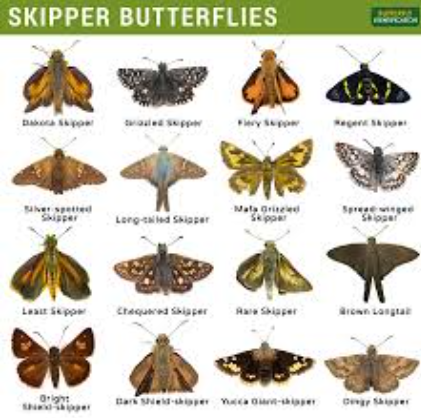
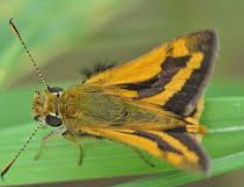
Skippers are unique butterflies known for their fast, darting, skipping flight, which gives them their popular name. Though small and often brownish, they are vital to grassland ecosystems and are some of the earliest butterflies active in the morning.
India has 320+ species of skippers.
General Characteristics of Skippers
- Small to medium size
Most species measure 20–40 mm.
- Brown, grey, or golden colours
Some species have small white or orange dots.
- Stocky bodies
Thicker than other butterflies.
- Hooked antennae
A defining feature of skippers.
- Extremely rapid movement
They “skip” or dart quickly from flower to flower.
- Host plants
Mostly:
- Grasses
- Bamboos
- Palms
- Sugarcane
Major Skipper Species Found in India
Let’s explore the most common and important skippers.
- Rice Swift (Borbo cinnara)
One of India’s most common skippers, especially in fields.
Identification:
- Brown wings
- Small white spots
- Strong rapid flight
Host Plants:
- Paddy (rice plants)
- Grasses
- Contiguous Swift (Polytremis lubricans)
Very fast-moving skipper.
Features:
- Dark brown
- Orange-centred spots
- Found in Western Ghats and Northeast
- Grass Demon (Udaspes folus)
A popular garden skipper.
Appearance:
- Dark wings
- Clear white patches
- Contrasting patterns
Behaviour:
- Often rests on the underside of leaves
- Indian Palm Bob (Suastus gremius)
Features:
- Stocky body
- Brown wings
- Prefers palms and coconut trees
- Chestnut Bob (Iambrix salsala)
Appearance:
- Rusty-brown wings
- Pale spots
- Common Banded Demon (Notocrypta paralysos)
Identification:
- Broad white band
- Blackish wings
- Conjoined Swift (Pelopidas conjuncta)
Features:
- Brown with white spots
- Often seen mud-puddling
- Small Branded Swift (Pelopidas mathias)
One of the smallest swift butterflies.
Habitat:
- Grasslands
- Villages
- Forest edges
- Indian Awlking (Choaspes benjaminii)
A rare and unique skipper.
Appearance:
- Blackish wings
- Orange body
- Transparent wing patches
Region:
- North-East & Himalayan foothills
- Golden Angle (Caprona ransonnettii)
Beautiful and easily recognizable.
Features:
- Golden brown
- Transparent spots
- Angular wings
Importance of Skippers
- Pollination of grassland plants
They help fertilize grasses and herbs.
- Food for birds and reptiles
Important link in the food chain.
- Indicators of grassland health
Presence of skippers = good habitat.
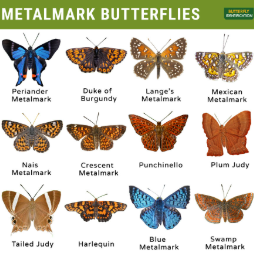
Family 6 – Riodinidae (Metalmarks)
One of the smallest and rarest butterfly families in India.
They are known as Metalmarks because many species have metallic, shimmering lines or spots on their wings.
India has around 16–20 species of Riodinidae, found mostly in dense forests.
General Characteristics of Riodinidae
- Metallic appearance
Silver, gold, or bronze lines.
- Small and delicate
Usually 25–40 mm.
- Slow fluttering flight
Often stay near host plants.
- Rare and habitat-sensitive
Mostly depend on pristine forests.
Major Riodinidae Species in India
- Common Tit (Hypolycaena erylus)
Appearance:
- Brownish wings
- Two delicate tails
- Metallic blue shine on males
Distribution:
- Western Ghats
- Northeast
- Punchinello (Zemeros flegyas)
One of the most distinctive metalmark butterflies.
Features:
- Orange wings
- Black-bordered round spots
- Metallic undertones
Habitat:
- Forest floors
- Moist forests
- Plum Judy (Abisara echerius)
(Also listed in Lycaenidae-like groups but technically Riodinidae)
Identification:
- Brown-purple wings
- Distinctive sideways walking motion
- Straight Pierrot (Caleta roxus)
Very small and delicate species.
Features:
- Black and white stripes
- Shining silver underwings
- Common Lascar (Pantoporia hordonia) — often grouped in Nymphalidae but has metalmark traits
Appearance:
- Orange-brown bands
- Metallic outline
- Acute Sunbeam (Curetis acuta)
A beautiful metallic butterfly.
Identification:
- Shiny copper-orange
- Silvery underside
Region:
- Indian Peninsula
- Western Ghats
- Indian Sunbeam (Curetis thetis)
Features:
- Bright fiery orange males
- Females are grey with orange patches
Behaviour:
- Often basks in sun
- Very territorial
Importance of Metalmark Butterflies
- Indicators of pristine forests
Their presence means low disturbance.
- Rare and ecologically sensitive
Highly vulnerable to habitat loss.
- High aesthetic value
Important for butterfly tourism.
✔ Summary
This part covered the remaining two butterfly families in India:
🦋 Hesperiidae (Skippers)
- Small
- Fast
- Brown or golden
- Found in grasslands, farms, forests
🦋 Riodinidae (Metalmarks)
- Rare
- Metallic
- Found mostly in rainforests and hills
These families may be less colourful than swallowtails but are critical for the ecosystem.
Conservation of Butterflies in India
Butterflies are essential for maintaining ecological balance, and their presence represents the health of forests, gardens, and natural landscapes. However, butterfly populations in India are facing increasing threats due to environmental changes and human activities. Understanding these threats and taking actionable steps can help preserve India’s rich butterfly diversity for the future.
Major Threats to Butterflies in India
-
Habitat Loss
Uncontrolled urbanization, deforestation, mining, and land conversion for agriculture destroy natural habitats.
Butterflies that rely on specific host plants, such as:
- Aristolochia
- Cassia
- Milkweed
- Bamboo
are especially vulnerable.
-
Climate Change
Temperature changes affect:
- Migration cycles
- Breeding behaviour
- Flowering patterns of nectar plants
High-altitude species like the Apollo and Tortoiseshells are at severe risk.
-
Pesticides and Chemical Pollution
Agricultural chemicals kill butterflies and caterpillars directly and also contaminate nectar plants.
Particularly harmful to:
- Grass Yellows
- Whites
- Skippers
-
Illegal Collecting
Rare species in the Himalayas and Northeast are sometimes targeted by butterfly traders.
-
Loss of Host Plants
Many species depend on specific plants.
For example:
- Common Mormon → Citrus
- Plain Tiger → Calotropis
- Cycad Blue → Cycas plants
Loss of these plants = loss of butterflies.
-
Light Pollution
Artificial lights attract butterflies and disrupt nighttime behaviour, especially in forest-edge species.
Why Butterfly Conservation is Important
-
Pollination
Butterflies pollinate a wide range of plants, including:
- Wildflowers
- Medicinal plants
- Fruit trees
- Agricultural crops
They help maintain biodiversity and food security.
-
Ecological Indicators
A healthy butterfly population indicates:
- Clean air
- Safe environment
- Good soil quality
- Balanced ecosystems
Their absence signals environmental disturbance.
-
Food Chain Support
Butterflies and their larvae are key food sources for:
- Birds
- Lizards
- Spiders
- Frogs
They maintain balance in natural ecosystems.
-
Beauty, Tourism & Education
Butterflies add charm to forests and gardens.
Places like:
- Western Ghats
- Sikkim
- Assam
- Uttarakhand
attract nature tourists, photographers, and researchers.
Steps to Conserve Butterflies in India
- Plant Native Flowers and Host Plants
Include species such as:
- Calotropis
- Cassia
- Aristolochia
- Lemon plants
- Hibiscus
- Lantana
- Ixora
These help many butterfly families thrive.
- Reduce or Avoid Pesticide Use
Encourage organic gardening and farming.
- Preserve Forest Patches
Allow natural vegetation to grow, especially in:
- Backyards
- Community gardens
- School grounds
- Create Butterfly Gardens
Butterfly parks with nectar-rich flowers help restore populations.
- Raise Awareness
Teach children and communities about the importance of butterflies.
- Protect Rare Species
Special focus on:
- Kaiser-i-Hind
- Bhutan Glory
- Blue Duke
- Southern Birdwing
- Malabar Tree Nymph
The Future of Butterflies in India
If India continues to protect and preserve natural habitats, butterfly populations will remain stable and flourish. Conservation policies, public participation, and scientific research are crucial to keep India’s biodiversity rich. With rising awareness, eco-tourism, and government initiatives like butterfly parks, the future looks promising.
However, habitat destruction and climate change continue to be major challenges. Immediate action at community and national levels is essential to save India’s delicate but vital butterfly species.
Final Conclusion
Butterflies are more than just colourful insects; they are key components of India’s rich biodiversity. With nearly 1,300+ species, India stands among the top butterfly-rich countries in the world. From the majestic Swallowtails and graceful Tigers to dazzling Blues and shimmering Metalmarks, butterflies bring life, colour, and ecological balance to our environment.
Their role in pollination, environmental indication, and food web structure makes them indispensable. Yet, human-driven changes pose a growing threat to their survival. By protecting natural habitats, planting native species, reducing pesticides, and promoting butterfly-friendl8y spaces, we can ensure t8hese magical creatures continue to grace our landsc8888888apes.
Butterflies are symbols of beauty, transformation, and environmental health. Protecting them means protecting our forests, gardens, and ultimately, our planet’s future.
Add Your Heading Text Here
Lorem ipsum dolor sit amet, consectetur adipiscing elit. Ut elit tellus, luctus nec ullamcorper mattis, pulvinar dapibus leo.
Add Your Heading Text Here
Lorem ipsum dolor sit amet, consectetur adipiscing elit. Ut elit tellus, luctus nec ullamcorper mattis, pulvinar dapibus leo.