
Learn why honey bees are essential for nature, farming, and food production. Discover how bees make honey and their importance in our ecosystem.
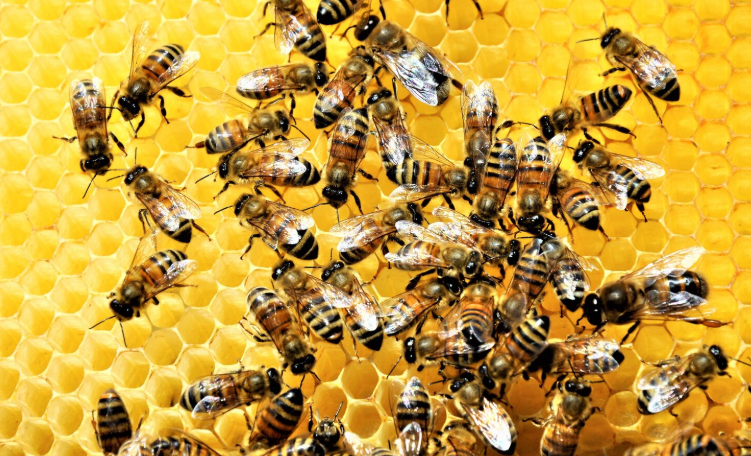
Honey bees are one of the most important creatures on Earth. They are small in size but their contribution to nature, humans, and the global food system is massive. In fact, without honey bees, one-third of the food we eat would disappear. They are also the only insects in the world that produce food for humans — honey.
In this detailed guide, you will learn everything about honey bees, including:
✔ Their importance in nature
✔ How bees make honey step-by-step
✔ Bee colony structure
✔ Types of bees
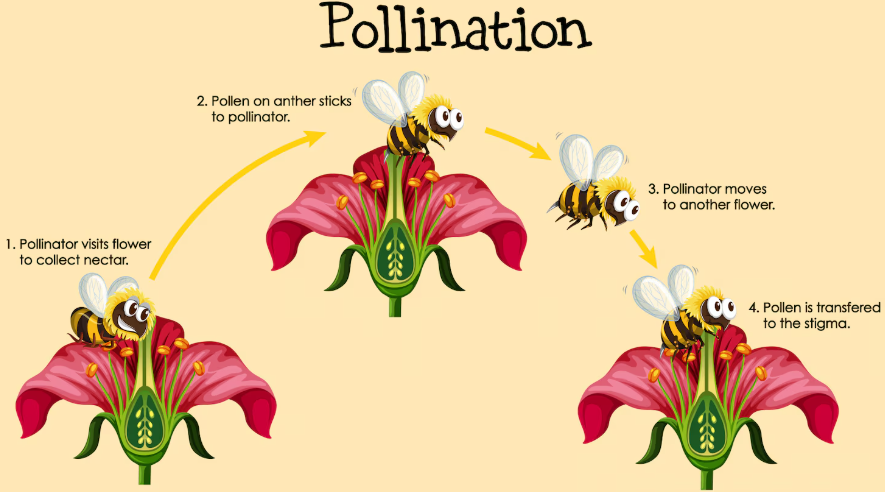
✔ Their role in pollination
✔ Threats faced by bees
✔ How humans can help protect bees
✔ Interesting facts
Let’s begin our journey into the magical world of honey bees.
🐝 1. Introduction to Honey Bees
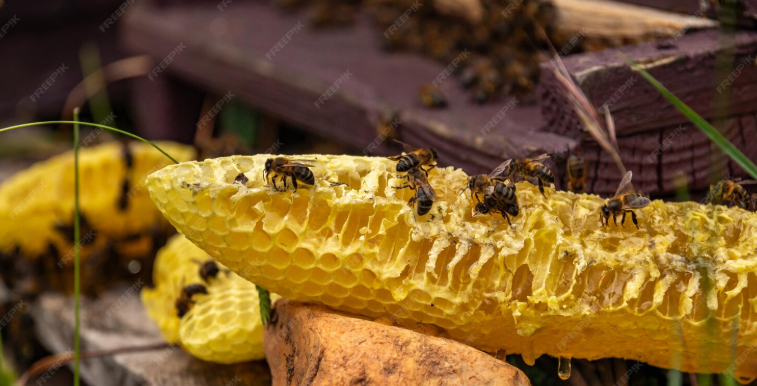
Honey bees (Apis species) are social insects that live in highly organized colonies. A single bee colony may contain 20,000 to 80,000 bees, including worker bees, drones, and one queen. Honey bees collect nectar from flowers, convert it into honey, and store it in honeycombs made of beeswax.
They are considered one of the most intelligent insects because of their communication methods, teamwork, navigation, and engineering abilities.
🐝 2. Why Honey Bees Are Important (Complete Importance Guide)
⭐ 1. Pollination — Their Most Important Work
Honey bees help pollinate more than 75% of the world’s crops, including:
-
Apples
-
Mangoes
-
Almonds
-
Strawberries
-
Beans
-
Tomatoes
-
Cucumbers
-
Sunflowers
Without bees, these crops would produce less fruit, or stop producing entirely.
⭐ 2. Food Supply Depends on Bees
About 1 out of every 3 bites of food you eat is produced because of honey bees.
⭐ 3. Support Ecosystem & Biodiversity
Bees help plants reproduce, and plants support birds, insects, animals, and the environment.
Without bees → ecosystem collapses.
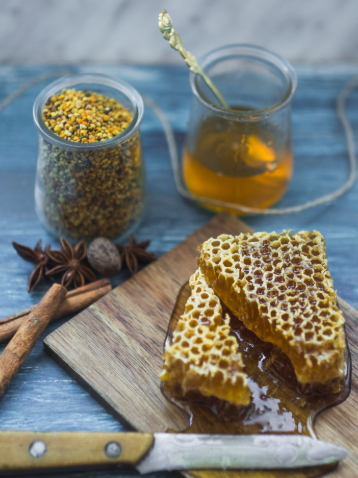
⭐ 4. Honey & Wax Production
Bees give us:
-
Honey
-
Beeswax
-
Propolis
-
Royal jelly
These are used in food, cosmetics, and medicine.
⭐ 5. Medicinal Benefits
Honey helps in:
-
Wound healing
-
Cough treatment
-
Immunity boosting
-
Skin treatments
⭐ 6. Economic Importance
Beekeeping provides income to millions of families globally.
🍯 3. How Honey Bees Make Honey (Step-by-Step Process)
This is the most amazing part. Honey production is a teamwork process.
✔ Step 1: Nectar Collection
Worker bees collect nectar from flowers using their long tongue (proboscis).
✔ Step 2: Storage in Honey Stomach
Bees have a special “honey stomach” separate from their real stomach.
✔ Step 3: Enzyme Mixing
Inside the honey stomach, nectar mixes with special enzymes that break complex sugars.
✔ Step 4: Returning to Hive
The bee returns to the hive and passes the nectar to another worker bee.
✔ Step 5: Repeated Enzyme Processing
Nectar is passed worker-to-worker until its moisture reduces.
✔ Step 6: Depositing in Honeycomb
Processed nectar is placed inside hexagon-shaped wax cells.
✔ Step 7: Evaporation Process
Bees fan their wings to remove water and thicken the nectar into honey.
✔ Step 8: Sealing with Wax
Once honey is ready, bees seal the cell with a thin wax cap.
This is how honey is made — naturally, scientifically, and beautifully.
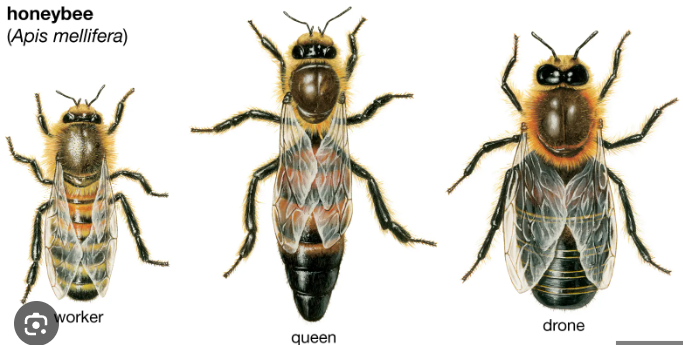
🐝 4. Types of Bees in a Colony
⭐ 1. Queen Bee
-
Only one per hive
-
Lays 1500–2000 eggs/day
-
Controls the colony with pheromones
⭐ 2. Worker Bees
-
All female
-
Do all the work: collecting nectar, cleaning, guarding, building
⭐ 3. Drone Bees
-
Male bees
-
Their only job: mate with queen
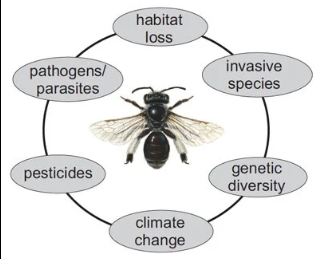
🐝 5. Threats to Honey Bees
-
Pesticides
-
Climate change
-
Habitat loss
-
Parasites (Varroa mites)
-
Air pollution
-
Deforestation
🐝 6. How We Can Protect Bees
-
Grow flowers
-
Avoid pesticides
-
Create bee-friendly gardens
-
Support beekeepers
-
Spread awareness
🐝 7. Interesting Facts About Bees
- Bees communicate through “dance language”
- One bee makes only 1/12 teaspoon honey
- Bees can recognize human faces
- Honey never spoils
🍯 Conclusion
- Honey bees are essential for our survival. Their hard work supports food production, biodiversity, and the balance of nature. Understanding how bees make honey helps us appreciate their intelligence and contribution.
Protecting bees means protecting our future.
🟡 FAQs
1. What are honey bees?
Honey bees are social insects that collect nectar, make honey, and help in pollination.
2. Why are honey bees important for nature?
They pollinate more than 75% of global crops and maintain ecological balance.
3. How do honey bees make honey?
Bees collect nectar, mix enzymes, store it in honeycombs, and dehydrate it into honey.
4. What is a honey stomach?
A special sac in bees used only for storing nectar—not for digestion.
5. How many bees live in a colony?
A colony usually contains 20,000–80,000 bees.
6. What is the role of the queen bee?
The queen lays eggs and controls the colony with pheromones.Lorem ipsum dolor sit amet, consectetur adipiscing elit. Ut elit tellus, luctus nec ullamcorper mattis, pulvinar dapibus leo.
7. What do worker bees do?
They collect nectar, protect the hive, make wax, feed larvae, and produce honey.
8. What is the role of drone bees?
Drone bees mate with the queen and do not collect nectar.
9. How much honey does one bee make?
One bee makes about 1/12 teaspoon of honey in its lifetime.
10. What flowers attract honey bees the most?
Sunflowers, lavender, marigold, clover, and wildflowers attract bees.